
Planned
Feed plant
Later phase (after Phase 3). Pellets to be mixed on Dalma, sized so feed is not the constraint on the cages.
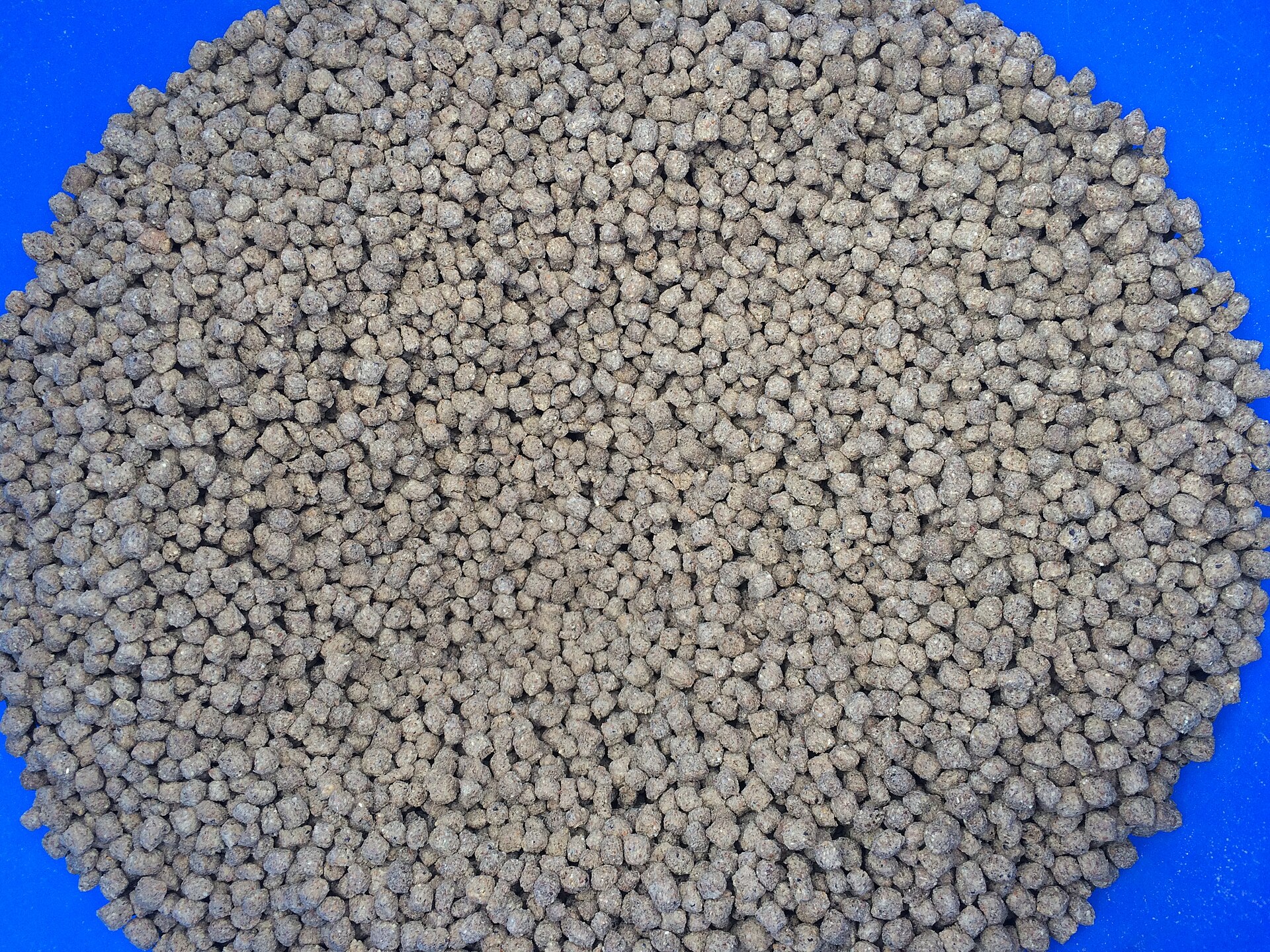
Pellets sized to the mouth of the fish — to be mixed on Dalma in a later phase.
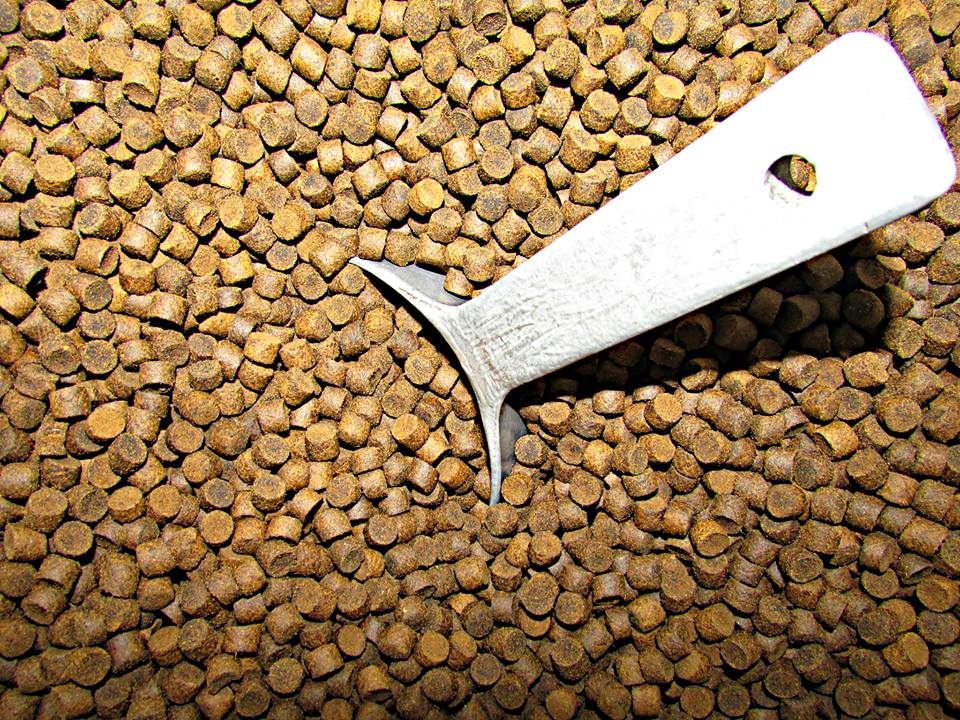
The planned mill is drawn twelve times the cages, so feed would sit ahead of the crop.
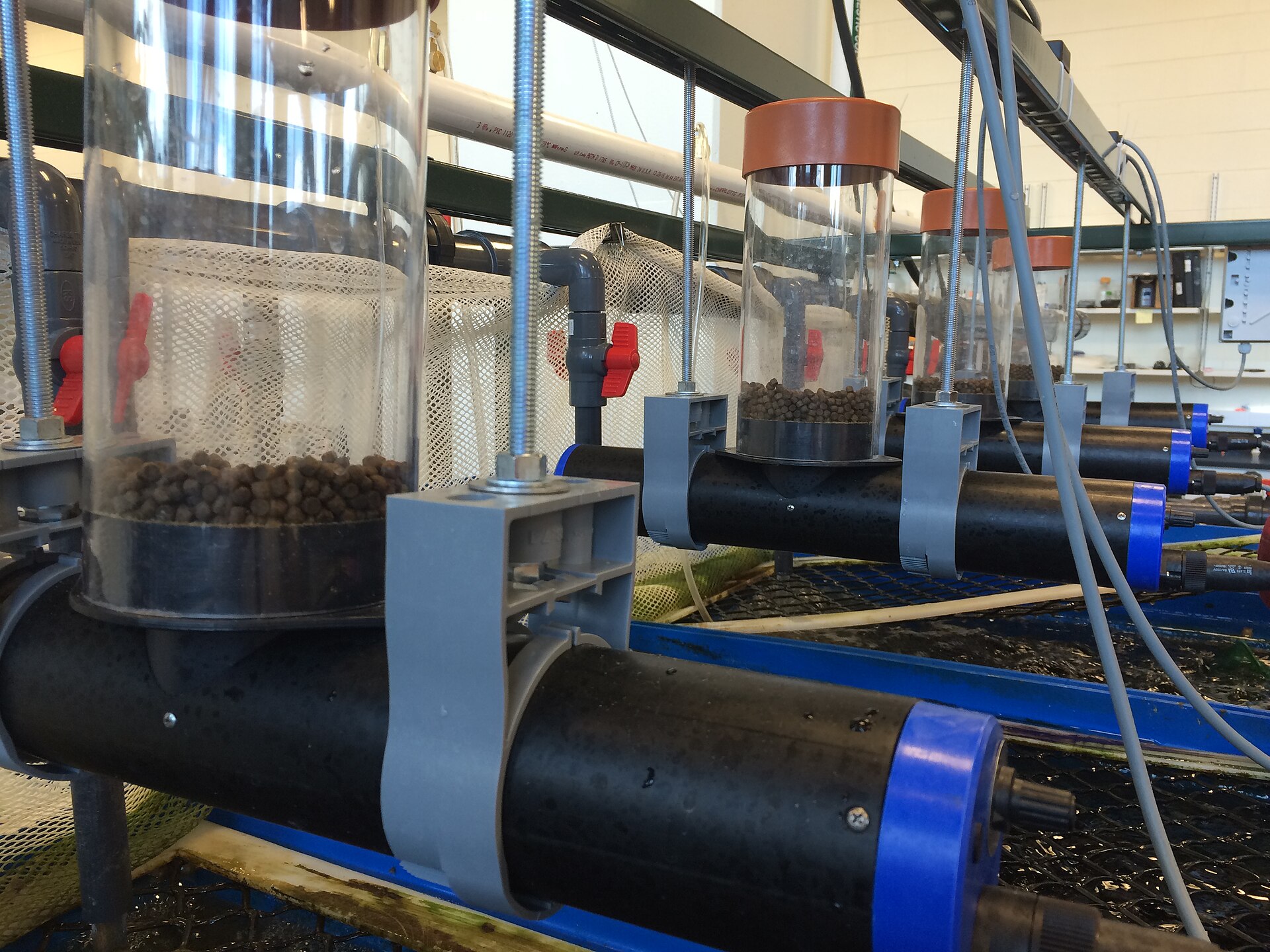
Ration is dosed into tanks, then into cages — not dumped over the rail.
This plant is planned for a later phase, after Phase 3. It is not a current offering.
Grow-out fish eat compressed pellets: protein, oil, starch and vitamins, cut to the mouth of the animal. The planned mill on Dalma is meant to mix that ration beside the fish, not a shipment away.
The planned process is grind, mix, extrude, dry, grade and store — then dose by automatic feeders into tanks and cages.
The mill is designed for 60,000 tonnes a year, twelve times the 5,000-tonne cage capacity. If the cage figure in the desk changes, the public site recomputes that ratio.
The process
How this plant is run, or is planned to run, step by step.
Each step is cultivation work — water, feed, transfer, ice — not a portrait of the company.
01
Bring ingredients onto the island
In the planned feed plant (a later phase), protein, oil, starch and vitamins will arrive on Dalma so the mill can mix beside the animals.
02
Grind and mix the diet
The planned mill will grind and blend to a formula sized for marine fish, on the same lease as the cages.
03
Extrude pellets to mouth size
Compressed pellets will be cut to the mouth of the animal at each stage — larva, fingerling, grow-out.
04
Dry, grade and store
Pellets will be dried, graded and held on the island. The planned mill is drawn at 60,000 tonnes — twelve times the cages.
05
Dose the hatchery tanks
Automatic feeders will put a measured ration into the planned onshore tanks, so the hatchery can wean without waiting on outside feed.
06
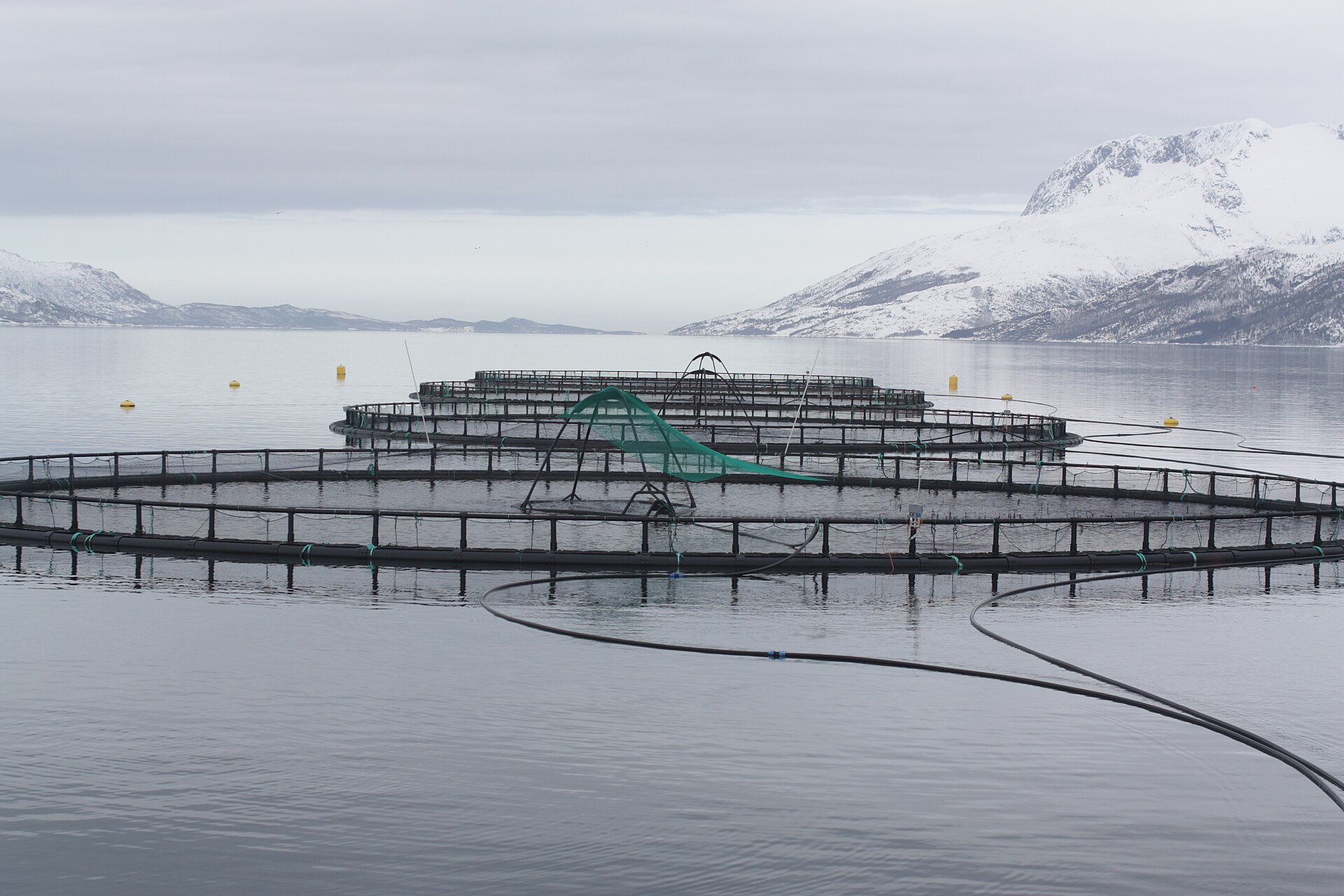
Dose the cages, slowly
Pellets go to the rings at sea, dosed slowly: fish take what they need and uneaten feed does not foul the Gulf.
In the chain
The plants, in the order they are planned to work.
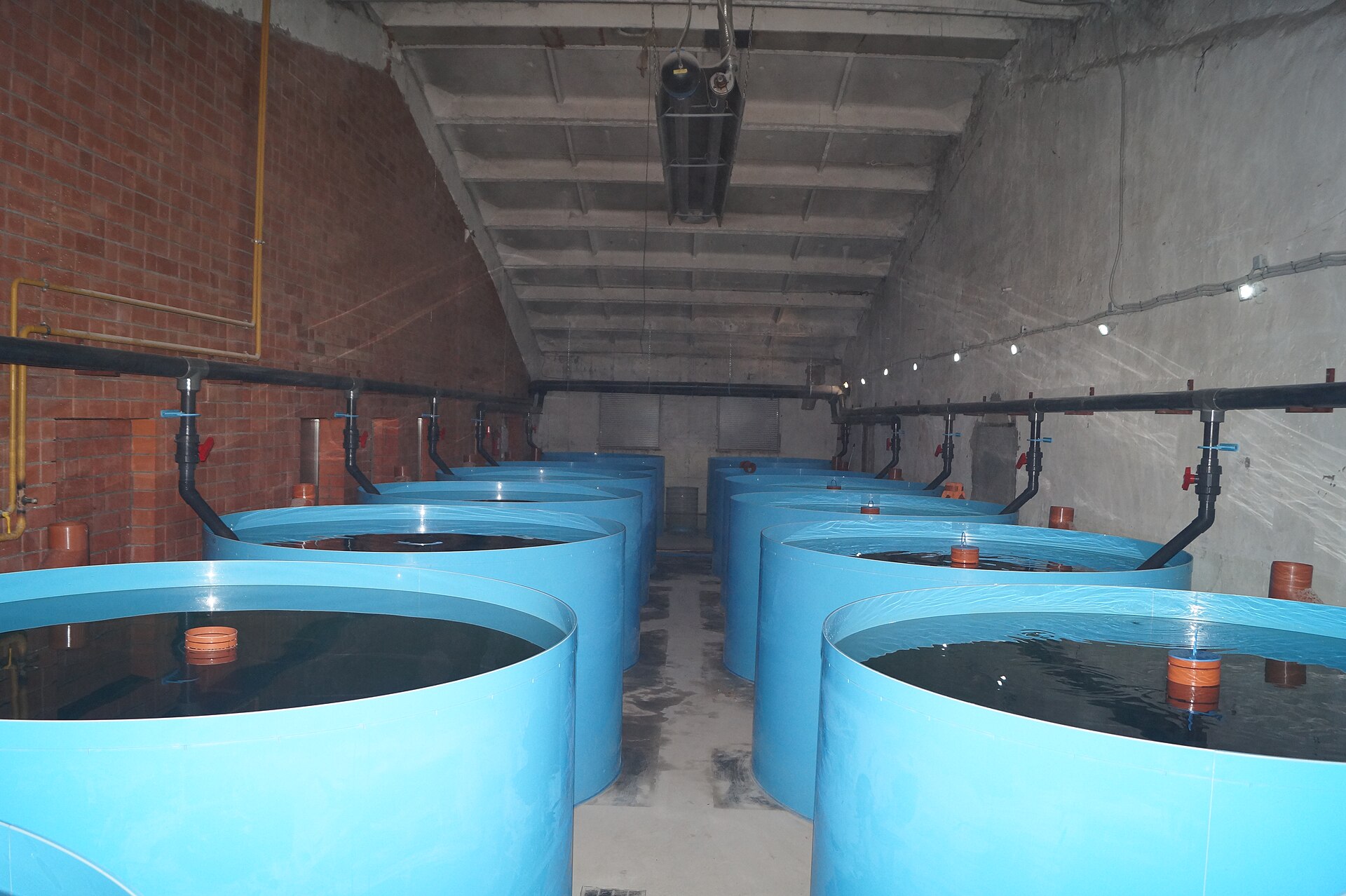 01HatcheryLater phase (after Phase 3). Broodstock, eggs, larvae and juveniles — planned seed for the cages, to be raised onshore.Open the process02Feed plantLater phase (after Phase 3). Pellets to be mixed on Dalma, sized so feed is not the constraint on the cages.Open the process
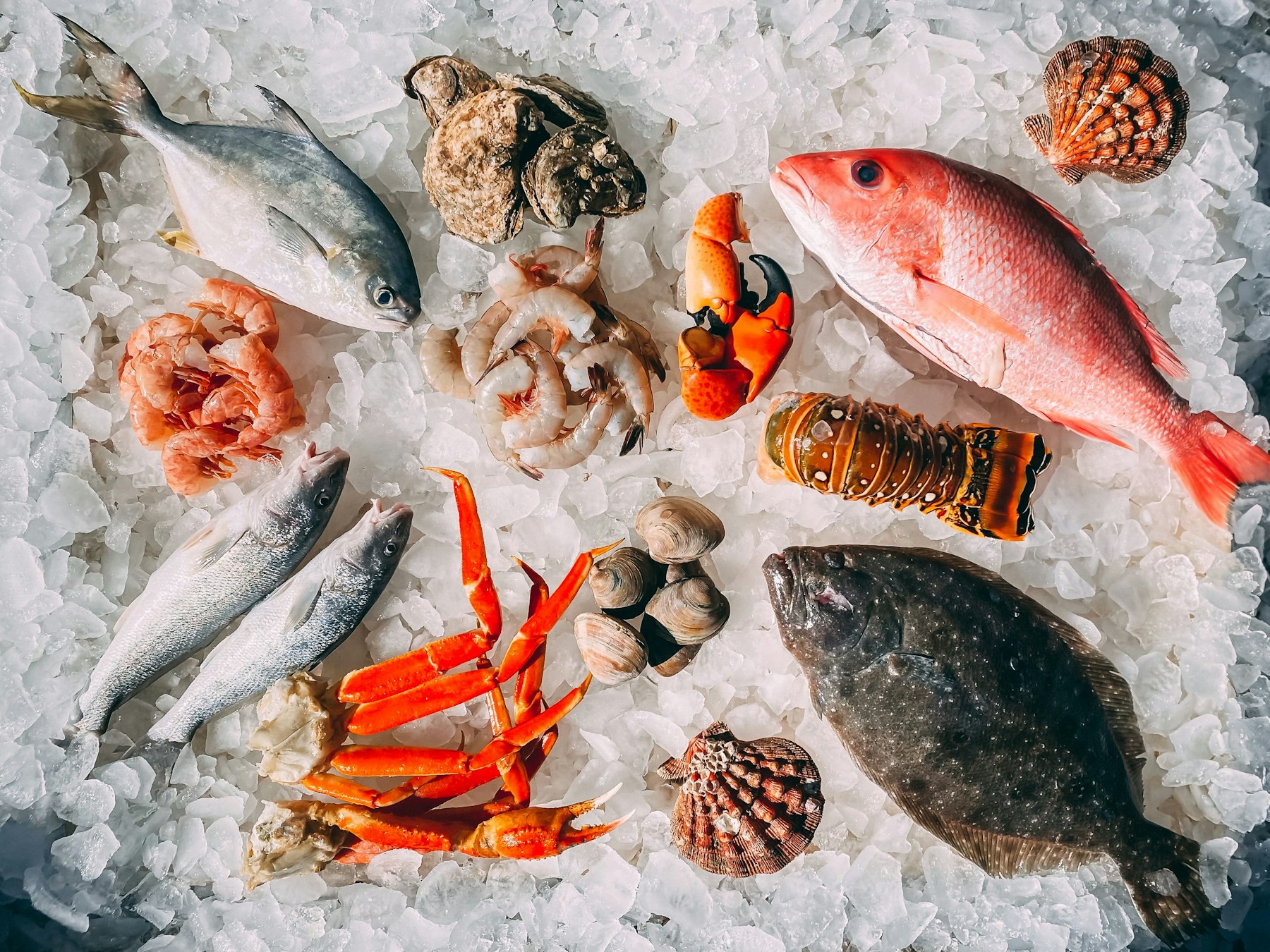 03ProcessingLater phase (after Phase 3). Harvest, chill and prepare on the same island as the cages.Open the process
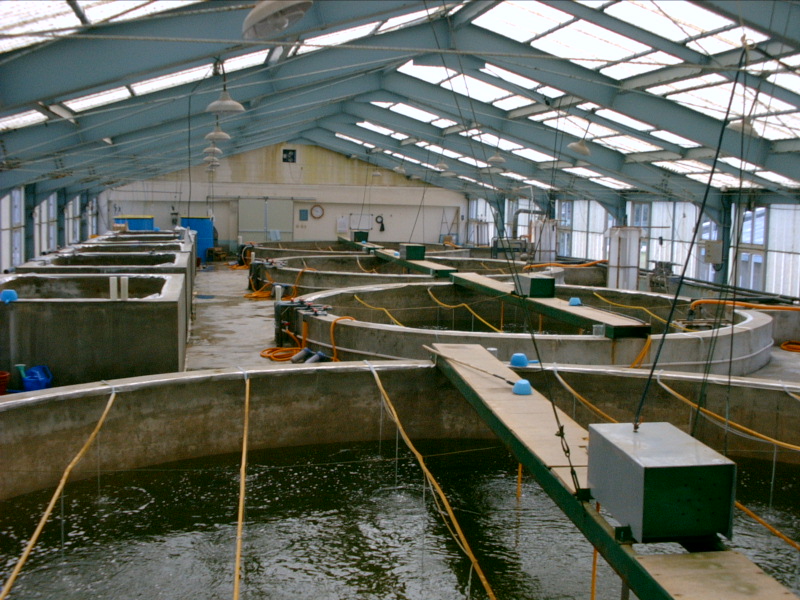 04ShrimpFuture project. A planned 5,000-tonne crop in recirculating water, kept apart from the cages.Open the process
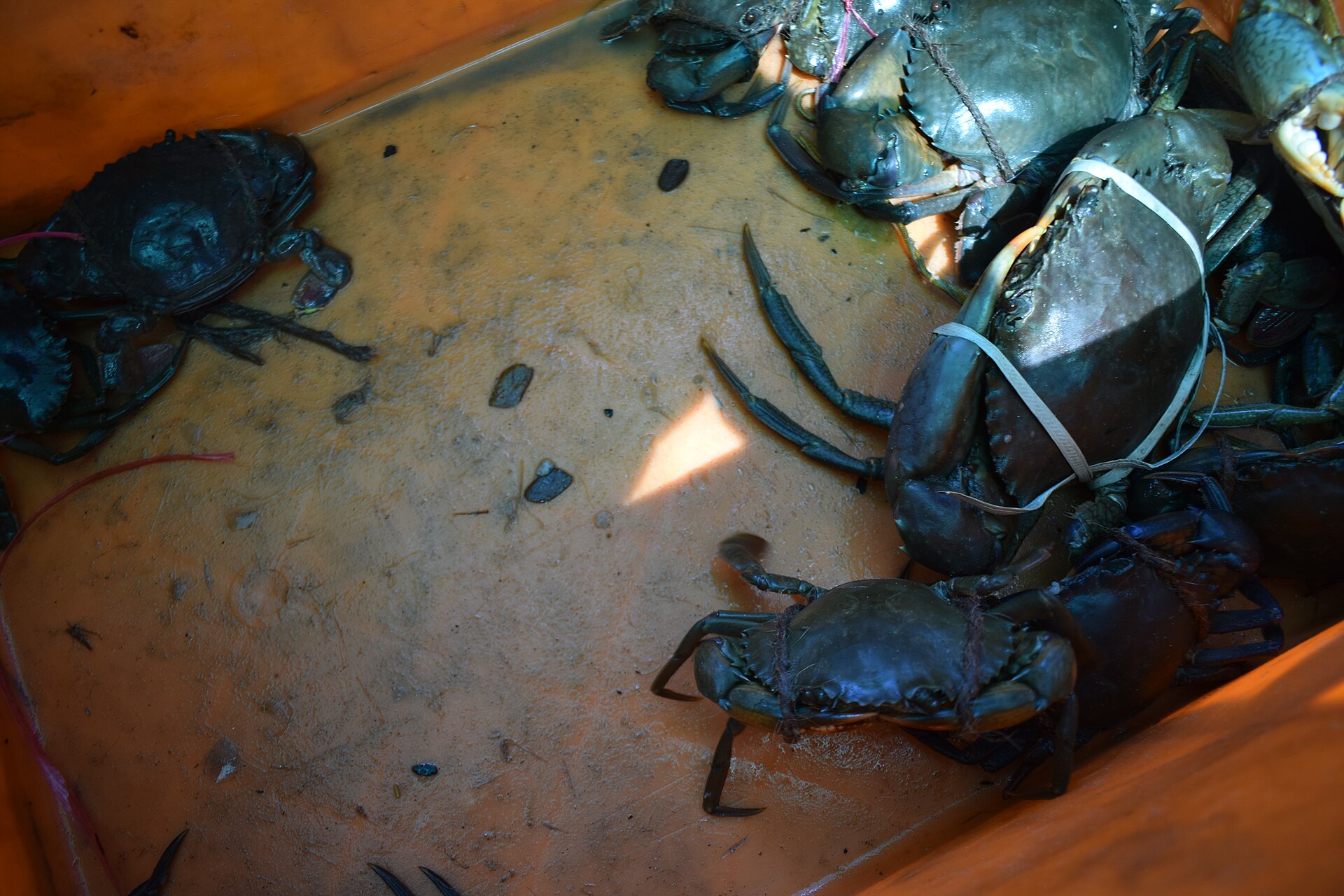 05Mud crabFuture project. A planned 5,000-tonne mud-crab plant in a vertical system.Open the process